
RETRO MONSTER ARCHIVE
> EDITORIAL GUIDES, VERSION NOTES, AND REFERENCE PAGES
[ HISTORY • WALKTHROUGHS • COMPARISONS • BROWSER PLAY ]
> FEATURED_EDITORIAL
3 SPECIAL ARTICLESBeginner Strategy Hub
Starter team planning, early-game pacing, reading order, and practical advice for players revisiting classic handheld RPGs.
Series History
A broader editorial overview of how monster-taming RPGs evolved across handheld generations, and why each hardware jump changed pacing and design.
Version Comparison
Side-by-side comparison coverage that breaks down progression, endgame content, pacing, and player fit across closely related releases.
> GAME_REFERENCE_INDEX
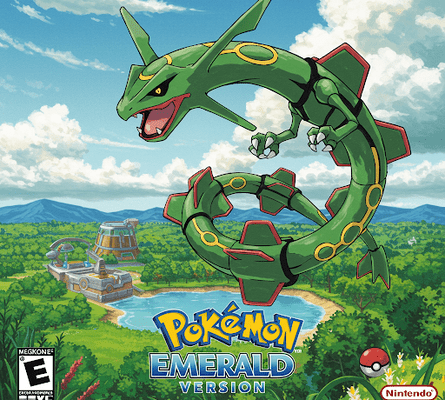


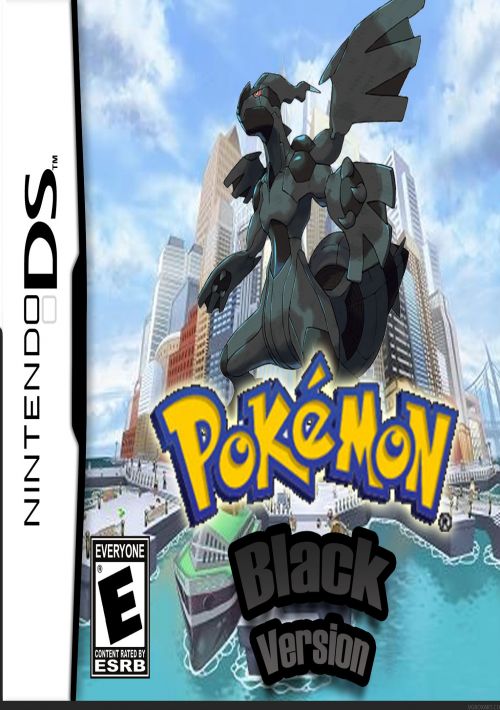

![Pokemon Black White 2[friends] Rom](https://game.pokemongame.net/games/pokemon/pokemon-black-white-2-friends-rom/pokemon-black-white-2-friends-rom-icon.jpg)

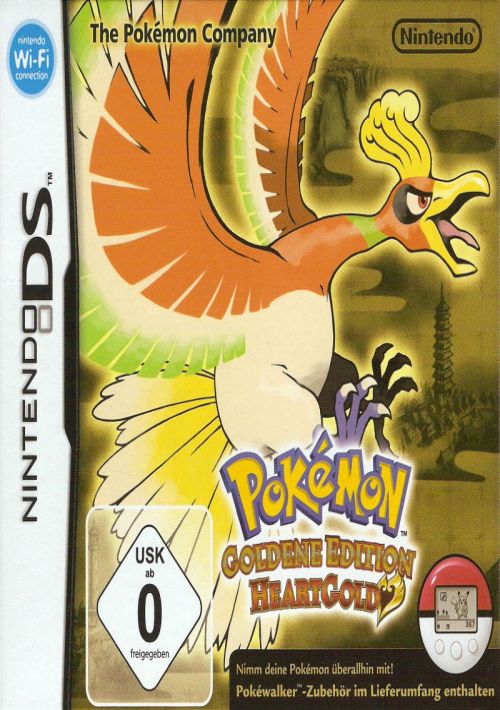




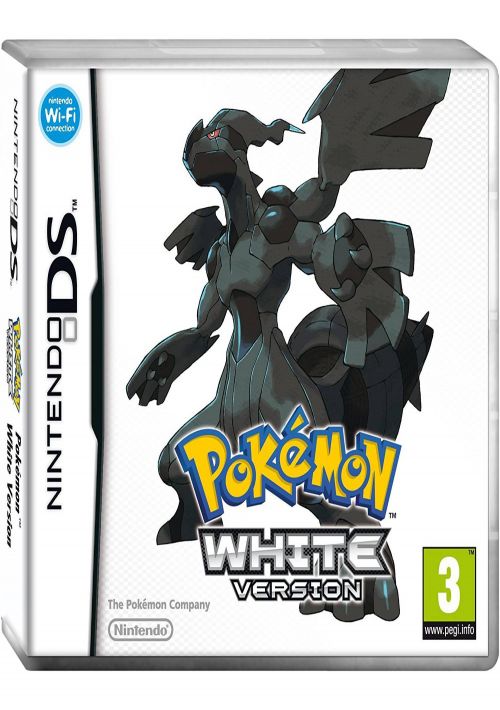



NO PAGES FOUND
Try selecting a different platform
> RESEARCH_RESOURCES
Editorial resources that make the site legible as a content project instead of a thin collection page
Context Before Interaction
Each game page now leads with a summary, version notes, and walkthrough material before the browser embed. That editorial framing helps readers understand what they are looking at and why a particular version matters.
- › Short summaries that set expectations
- › Version notes tied to platform and release year
- › Embedded play kept secondary to the content
- › Reference-friendly layouts for desktop and mobile
Content-First Game Pages
The strongest pages mix walkthrough structure, historical framing, and player-facing decision support. Instead of optimizing around a single head term, the site can target narrower information searches with clearer intent.
- › Route planning and difficulty notes
- › Version differences and audience fit
- › Historical release context
- › Long-tail search coverage through specific guides
Editorial Hubs and Internal Links
Hub pages group related reading paths so the site does not depend entirely on one page template. Readers can move between guides, history pieces, comparison pages, and individual game entries more naturally.
- › Clear topical clusters for crawling
- › Links from hubs into detailed game pages
- › Standalone pages that can rank on informational intent
- › Better first impression for policy review
Editorial Positioning
The site now frames itself as an editorial reference library for classic handheld RPGs. Interactive content remains available, but every key path is supported by summaries, comparison notes, and hub pages that clarify purpose for readers and reviewers.
Structured Topic Clusters
Guides, history features, and comparison pages create multiple content surfaces for SEO instead of forcing every search to land on a browser-play page. That makes the site more durable and easier to grow.
> CONTENT_PATHS
These internal hubs give crawlers and users a clearer reading flow before they jump into a specific game page.
Guides
Practical route planning, team-building advice, progression notes, and reader-friendly onboarding.
History
Editorial context on platforms, release eras, production constraints, and design shifts.
Comparisons
Side-by-side reading for deciding which version to revisit next, with concrete recommendations by player type.