Version Notes and Replay Guidance
Why Pokemon Yellow Is Worth Opening
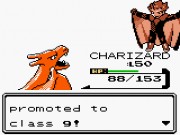
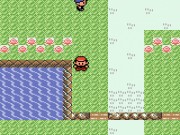
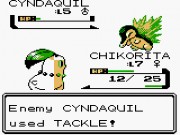
Pokemon Yellow is the kind of page to open when you want to remember how this Kanto run actually feels, not just see a title in a list. I first played Pokemon Yellow on the Game Boy Color in 1999, a time when that little handheld was everywhere.
For a browser session, the useful question is simple: can you get moving quickly, make a couple of team decisions, and leave the save at a clean stopping point? This page is written around that player question.
Good Fit or Not?
The best reason to open this page is not that Pokemon Yellow exists in the archive; it is that the version still gives you a readable Kanto run with clear team decisions.
Player fit guide
| Player type | Fit | Reason |
|---|---|---|
| Returning player | Strong | Pokemon Yellow gives you a familiar Kanto route without needing to learn a new rule set. |
| Short-session player | Good | Badge prep, route cleanup, and team changes work well in small chunks. |
| Completion-minded player | Good | Worth checking if collection goals matter to your replay. |
| Challenge-first player | Mixed | The run can be satisfying, but it is not always tuned around strict difficulty. |
First Session Notes
Use the first session to get a feel for Pokemon Yellow, not to force a marathon. A good first visit should leave you knowing whether the next session has a reason to exist.
Before you stop, check this
Team and Route Notes
Pokemon Yellow works best when you treat team shape as part of the fun. The page tags point toward GymBadges, Pokedex, EliteFour, but the better test is whether your party has answers before the next checkpoint asks for them.
Planning checks
| Role | Job in this run | Watch out for |
|---|---|---|
| Reliable lead | Clears normal trainer fights without draining items. | A starter hiding every team weakness. |
| Second damage plan | Gives you another route through awkward fights. | Depending on one attack type for every boss. |
| Kanto route answer | Covers the part of the map most likely to slow you down. | Arriving at a long route stretch with no plan. |
| Utility slot | Handles travel needs while still helping in battle. | Support that becomes dead weight. |
Browser Play Notes
The embedded view is useful for testing how Pokemon Yellow feels now, especially if you only have a short window. If the run starts to feel like something you want to keep seriously, official releases or supported access remain the best way to support the original creators whenever they are available.
If the browser view gets in the way
| Situation | What to do | Why it matters |
|---|---|---|
| The frame loads but ignores keys | Click inside the game area once. | The browser may still have focus on the page. |
| The game feels cramped | Use the expanded view for longer routes or fights. | More screen space helps when menus and battles stack up. |
| You are still deciding whether to continue | Keep the notes visible beside the browser view. | The guide should help the play session, not disappear behind it. |
How We Checked This Page
We reviewed this page from the same angle a player would use it: what kind of run Pokemon Yellow offers, what the first session should prove, and whether the browser view supports that decision instead of replacing the notes.
The details kept here are the ones that change how someone plays: platform, year, tags, likely pacing, team pressure, and version fit. PokemonGame is independently operated and does not claim ownership of Pokemon, Nintendo, Game Freak, The Pokemon Company, original assets, or trademarks referenced here.